How George Lucas Revolutionized Cinema With Star Wars: Episode IV – A New Hope
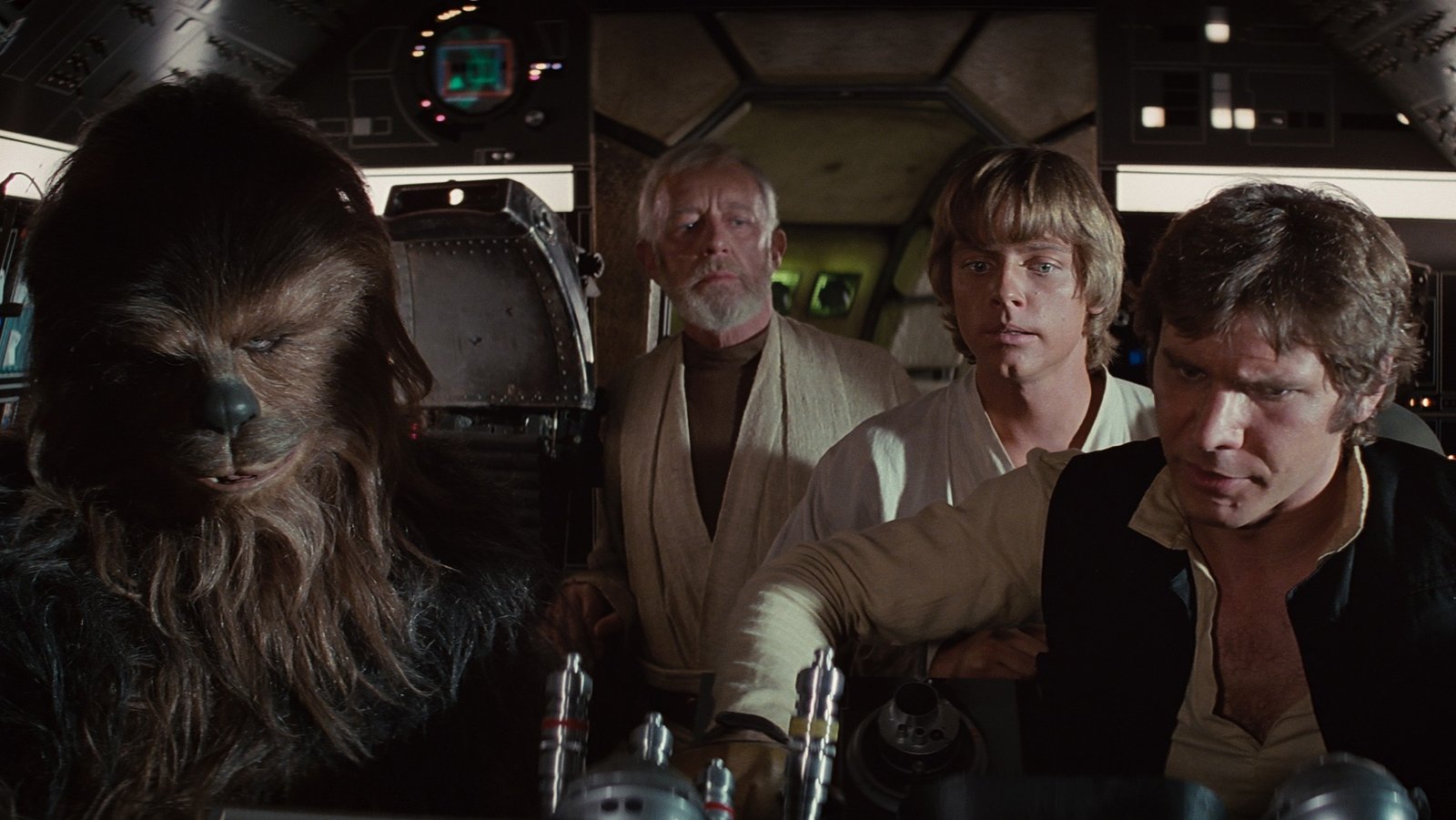
When George Lucas’ Star Wars first hit the silver screen in 1977, it captivated audiences worldwide and launched one of the most iconic and enduring science fiction franchises of all time. The film, later retitled Star Wars: Episode IV – A New Hope, was a groundbreaking cinematic experience that transported viewers to a galaxy far, far away, where the struggle between the heroic Rebel Alliance and the tyrannical Galactic Empire unfolded in spectacular fashion.
In this in-depth blog post, we’ll revisit this classic film and explore the various elements that made it such a resounding success. From the masterful world-building and captivating characters to the innovative visual effects and iconic musical score, we’ll delve into the many facets that have cemented A New Hope as a timeless cinematic masterpiece.
Plunging into the Narrative: The Genius of George Lucas
One of the most remarkable aspects of A New Hope is the way it immediately immerses the audience in a fully realized and richly detailed universe. Rather than starting with a traditional expository opening, Lucas boldly plunges the viewer into the middle of a galactic conflict, with the iconic opening crawl providing just enough context to set the stage.
This bold narrative choice is a testament to Lucas’ understanding of the power of storytelling. By eschewing a traditional first act and instead dropping the audience directly into the action, the film creates a sense of immediacy and urgency that draws the viewer in from the very first frame. The opening crawl establishes the key elements of the story – the Rebel Alliance, the Galactic Empire, and the ongoing war – without the need for lengthy exposition.
This approach is further reinforced by the film’s perspective, which is firmly rooted in the experiences of the « common » characters, such as Luke Skywalker and the droids C-3PO and R2-D2. By focusing on these relatable protagonists, the film allows the audience to discover the larger-than-life elements of the Star Wars universe alongside them, fostering a sense of wonder and exploration that is central to the film’s enduring appeal.
Worldbuilding and Production Design: Crafting a Lived-In Future
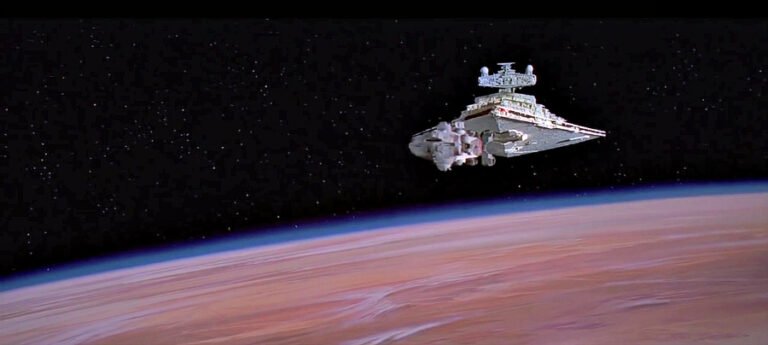
Another key factor in the success of A New Hope is the film’s exceptional worldbuilding and production design. Rather than opting for the sleek, pristine aesthetic often associated with science fiction, Lucas and his team deliberately crafted a « lived-in » future, where the technology and environments feel well-worn and functional.
- The Gritty, Grounded Aesthetic: One of the most striking aspects of the film’s production design is the way it eschews the typical « clean » look of science fiction in favor of a grittier, more grounded aesthetic. From the weathered, battle-scarred spaceships to the dusty, desert-like planets, the Star Wars universe feels tangible and lived-in, a far cry from the sterile, futuristic settings often depicted in the genre.
- Iconic Vehicles and Weaponry: The film’s iconic vehicles, such as the X-Wing fighters and the Millennium Falcon, are not only visually striking but also feel like functional, well-designed machines. Similarly, the lightsabers and blasters have a tactile, almost handcrafted quality that sets them apart from the sleek, high-tech weapons often seen in science fiction.
- Diverse Alien Cultures and Environments: The Star Wars universe is populated by a rich tapestry of alien cultures and environments, each with its own distinct visual identity. From the bustling spaceport of Mos Eisley to the lush forests of Yavin IV, the film’s production design creates a sense of depth and diversity that helps to immerse the audience in the larger galactic setting.
This grounded, lived-in aesthetic not only enhances the film’s sense of realism but also serves to ground the more fantastical elements of the story, such as the mystical powers of the Force and the larger-than-life characters. By creating a tangible, believable world, the production design helps to make the extraordinary feel accessible and relatable, further drawing the audience into the Star Wars universe.
The Power of Sound: Crafting an Immersive Aural Experience
In addition to its visually striking production design, A New Hope also boasts an exceptional sound design that plays a crucial role in the film’s immersive quality. From the iconic opening sequence, where the audience is plunged into the silence of space before being assaulted by the thunderous roar of the Imperial Star Destroyer, to the film’s sweeping, operatic musical score, the aural elements of A New Hope are essential to its cinematic impact.
- The Silence of Space: One of the most memorable and effective sound design choices in the film is the way it depicts the silence of space. The opening sequence features a stark contrast between the eerie quiet of the void and the sudden, jarring intrusion of the Imperial Star Destroyer’s engines. This juxtaposition not only heightens the sense of scale and power but also serves to immerse the audience in the film’s unique sonic landscape.
- The Iconic Musical Score: The film’s legendary musical score, composed by the legendary John Williams, is a crucial component of its enduring appeal. Williams’ sweeping, operatic themes not only heighten the emotional impact of the film’s key moments but also help to establish the larger-than-life, mythic quality of the Star Wars universe.
- Distinctive Sound Effects: From the distinctive hum of the lightsabers to the roar of the TIE fighters, the sound effects in A New Hope are equally iconic and essential to the film’s immersive quality. These carefully crafted sounds not only enhance the visual spectacle but also help to create a sense of tangibility and authenticity that further draws the audience into the story.
By seamlessly integrating these aural elements with the film’s visuals, the sound design of A New Hope plays a crucial role in creating the sense of wonder and excitement that has captivated audiences for generations. The film’s ability to transport viewers to a fully realized, immersive world is a testament to the exceptional craftsmanship of its sound team.
Character Development and Archetypes: Crafting Memorable Protagonists
At the heart of A New Hope are the film’s memorable and well-developed characters, each of whom embodies a distinct archetype that helps to drive the narrative forward. From the humble farm boy-turned-hero Luke Skywalker to the roguish smuggler Han Solo and the regal Princess Leia, the film’s protagonists are richly drawn and deeply relatable, making them essential to the film’s enduring appeal.
- Luke Skywalker: As the film’s central protagonist, Luke Skywalker represents the classic « hero’s journey » archetype, a young, unassuming individual who is thrust into a larger-than-life adventure and ultimately discovers his true potential. By focusing on Luke’s perspective, the film allows the audience to discover the wonders of the Star Wars universe alongside him, fostering a sense of wonder and identification that is crucial to the film’s success.
- Han Solo and Princess Leia: In contrast to the earnest, idealistic Luke, the characters of Han Solo and Princess Leia provide a more cynical, world-weary counterpoint. Han, the roguish smuggler, initially appears to be motivated solely by self-interest, while Leia, the regal leader of the Rebel Alliance, represents the film’s more overtly heroic archetype. However, as the story progresses, both characters undergo subtle transformations, revealing hidden depths and ultimately becoming essential allies in the fight against the Empire.
- Obi-Wan Kenobi and the Archetypal Mentor: The character of Obi-Wan Kenobi, the wise and experienced Jedi Master, embodies the classic « mentor » archetype, guiding Luke on his journey and imparting the wisdom of the Force. Obi-Wan’s role is crucial in establishing the film’s mythic, larger-than-life qualities, as he introduces Luke to the mystical powers that will ultimately shape the course of the story.
By drawing on these well-established character archetypes, A New Hope is able to create a cast of protagonists that are both instantly recognizable and deeply compelling. The film’s ability to balance these archetypal characters with subtle character development and nuanced performances is a testament to the skill of its storytelling, helping to make the Star Wars universe feel both familiar and fresh.
The Enduring Legacy of A New Hope
Nearly 50 years after its initial release, Star Wars: Episode IV – A New Hope remains a cinematic landmark, a film that has left an indelible mark on popular culture and continues to captivate audiences of all ages. From its groundbreaking visual effects and immersive worldbuilding to its richly drawn characters and timeless themes, the film’s enduring legacy is a testament to the vision and craftsmanship of its creators.
The film’s ability to transport viewers to a galaxy far, far away and to make the extraordinary feel accessible and relatable is a key factor in its enduring appeal. By blending the mythic and the mundane, the fantastical and the grounded, A New Hope has become a touchstone of modern storytelling, inspiring countless imitators and influencing generations of filmmakers, writers, and artists.
In the end, the lasting impact of Star Wars: Episode IV – A New Hope lies not only in its technical achievements and cinematic innovations but also in its ability to capture the imagination of audiences worldwide. By weaving together a rich tapestry of characters, worlds, and themes, the film has become a cultural touchstone, a timeless work of art that continues to inspire and captivate audiences across the globe.







Laisser un commentaire