One Piece Chapter 1175: The Mythology Behind the Ryu Ryu no Mi, Model: Nidhogg
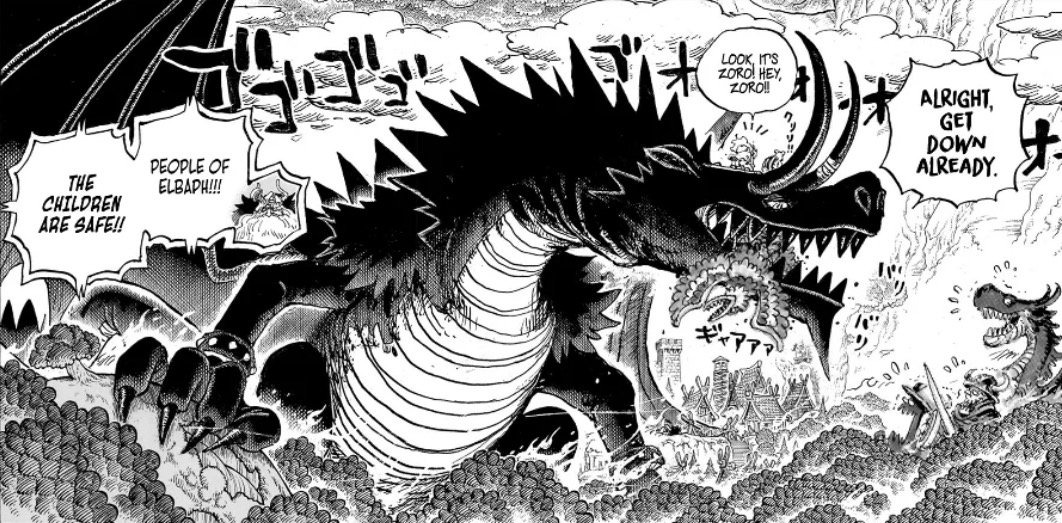
One Piece fans have long been captivated by the mysteries surrounding the Devil Fruits, those enigmatic sources of supernatural power that have shaped the course of the series. But the latest revelations in Chapter 1175 have taken us on a journey into the very heart of One Piece’s mythological underpinnings, shedding light on the origins of these mystical abilities. At the center of this revelation stands the Ryu Ryu no Mi, Model: Nidhogg. A Devil Fruit eaten by Loki, which belonged to the God of War of Elbaph who mysteriously disappeared.
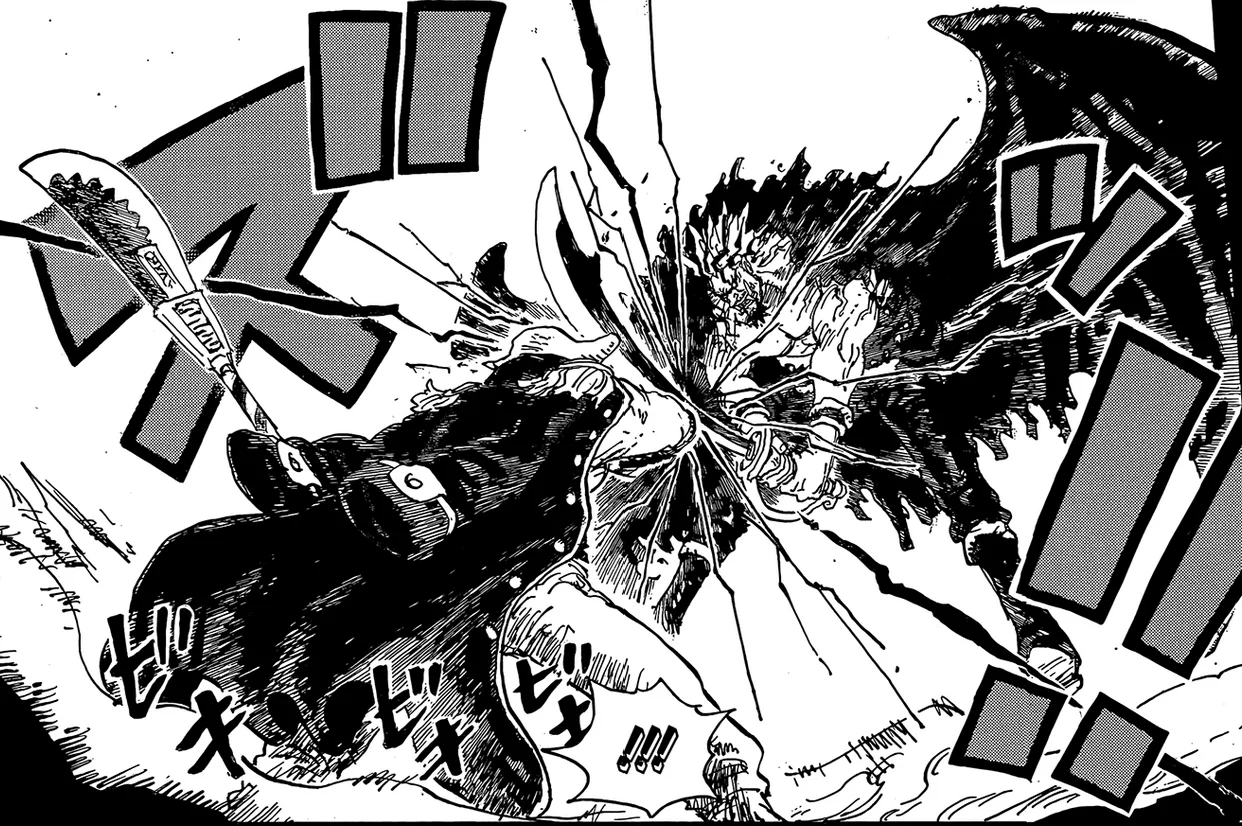
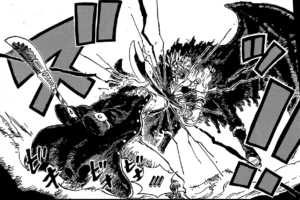
As Jarul recounts the history of this legendary fruit, we learn that it was once the possession of a powerful divine warrior, a « God of War » who wielded the mighty weapon Ragnir. This deity, in a fit of rebellion, transformed into a colossal black dragon and turned against the « God of the Sun, » ultimately emerging victorious in their cataclysmic clash. The spirit of the deity’s loyal servant, Ratatoskr the Glacial Squirrel, was then said to have passed into the Ragnir hammer, the guardian of the Nidhogg Fruit.
Unraveling the Mythological Tapestry of One Piece
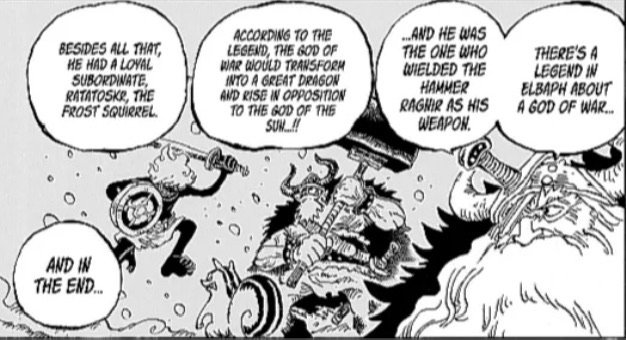
This revelation opens up a whole new realm of possibilities in understanding the deeper mythological underpinnings of the One Piece world. The mention of the « God of War » and the « God of the Sun » immediately evokes parallels to the pantheons of ancient mythologies, particularly those of the Norse and Shinto traditions.
In Norse mythology, the figure of Níðhöggr, a monstrous dragon that gnaws at the roots of the world tree Yggdrasil, bears a striking resemblance to the Nidhogg fruit. Similarly, the concept of a « God of War » and a « God of the Sun » echoes the dynamic between deities like Odin and Baldr in the Norse pantheon. The inclusion of Ratatoskr, the mischievous squirrel that runs up and down Yggdrasil, further strengthens these mythological connections.
But the mythological influences in One Piece extend beyond the Norse tradition. The mention of the « God of the Sun » and the « God of War » also resonates with the Shinto pantheon, where deities like Amaterasu (the Sun Goddess) and Hachiman (the God of War) hold prominent positions. The idea of these divine beings engaging in a cosmic struggle, with the fate of the world hanging in the balance, is a recurring theme in many ancient mythologies.
Unraveling the Mysteries of the Devil Fruits
The revelations surrounding the Nidhogg Fruit also shed new light on the nature of the Devil Fruits themselves. The idea that the spirit of Ratatoskr, the loyal servant of the « God of War, » merged with the Ragnir hammer, the guardian of the Devil Fruit of Nidhogg, suggests that Devil Fruits may not be mere inanimate objects, but rather receptacles for the spirits and essences of mythological beings.
This concept aligns with the theories that have long been circulating among One Piece fans, who have speculated that the Devil Fruits may be imbued with the souls or essences of ancient, powerful entities. The mention of the « 21 grams » weight of a soul, as revealed by Vegapunk, further reinforces the idea that the Devil Fruits may be repositories for the spiritual energy of these mythological figures.
Furthermore, the revelation that the Nidhogg Fruit was once guarded by the Ragnir hammer, a powerful weapon imbued with the spirit of Ratatoskr, the Glacial Squirrel, suggests that the process of creating a Devil Fruit may involve a complex ritual or technological process that binds the essence of a being to a physical object. This could explain the wide variety of Devil Fruit abilities, as each fruit may be a manifestation of a unique mythological entity or spirit.
The Implications for the World of One Piece
The implications of these revelations extend far beyond the immediate narrative of the Wano Country arc. The connections between the Nidhogg Fruit, the « God of War, » and the « God of the Sun » open up a vast new realm of possibilities for the overarching story of One Piece.
For instance, the mention of the « God of the Sun » being defeated by the « God of War » may shed light on the mysterious circumstances surrounding the death of the Sun God, Nika, as recounted by Loki. This could potentially tie into the ongoing mystery surrounding the true nature of the Nika Fruit, which Luffy currently possesses, and its connection to the ancient kingdom and the lost century.
Additionally, the revelation of the Nidhogg Fruit’s origins and its connection to the mythological figures of Elbaph raises intriguing questions about the role of the giants in the larger narrative. Could the giants have been guardians of these ancient, powerful Devil Fruits, tasked with preventing their misuse? And what might the conflict between the « God of War » and the « God of the Sun » have meant for the giants and their kingdom of Elbaph?
Exploring the Connections to Elbaph and the Giants
The mention of the « God of War » being associated with the kingdom of Elbaph, as well as the revelation that the Nidhogg Fruit was once guarded by the Ragnir hammer, suggests a deep connection between the giants and these mythological entities.
The fact that the giants of Elbaph revere both the « God of War » and the « God of the Sun » further complicates the narrative, hinting at a complex history of alliances and conflicts between these divine figures.
The idea that the Elbaph kingdom may have been named after the « God of War, » and that the Adam Tree and the Tree of the Sun (Eva) may have been manifestations of the physical forms of these deities, adds an intriguing layer of depth to the world of One Piece.
The potential involvement of the Glacial Squirrel, Ratatoskr, in the freezing of the ancient giants of Elbaph also raises questions about the role of these mythological beings in shaping the history of the One Piece world.
Unlocking the Secrets of the Nidhogg Fruit and Its Wielder, Loki
The revelations surrounding the Nidhogg Fruit and its connection to the « God of War » also shed light on the enigmatic figure of Loki, the current wielder of this powerful Devil Fruit. As the chapter suggests, Loki’s unique eyes and heritage may be the key to understanding why the Ragnir hammer, the guardian of the Nidhogg Fruit, allowed him to consume the fruit in the first place.
It’s possible that Loki’s lineage is directly tied to the « God of War » who once wielded the Nidhogg Fruit, and that his eyes or some other aspect of his being resonates with the ancient deity. This could explain why the Ragnir hammer, which is said to have been tasked with protecting the fruit until a worthy successor emerged, deemed Loki worthy of inheriting its power.
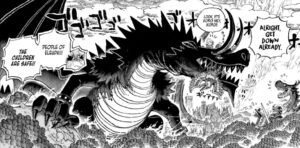
Furthermore, the revelation that the Nidhogg Fruit is a « Mythical Zoan » type, with the ability to transform the user into a colossal black dragon, suggests that Loki’s true power and potential have yet to be fully realized. As the chapter indicates, the size and strength of the dragon form is directly linked to the size and power of the user, hinting that a giant or ancient giant wielding the Nidhogg Fruit could potentially become a force of unimaginable destruction.
Implications for the Ongoing Narrative and Future Arcs
The revelations surrounding the Nidhogg Fruit and its mythological origins have far-reaching implications for the ongoing narrative of One Piece and the potential direction of future arcs. The connections to the ancient kingdom, the lost century, and the conflict between the « God of War » and the « God of the Sun » open up a wealth of narrative possibilities that Oda may choose to explore in the coming chapters and arcs.
For instance, the potential involvement of the Nidhogg Fruit and its wielders in the events of the lost century could shed light on the true nature of the ancient kingdom and its downfall. Additionally, the role of the giants of Elbaph and their connection to these mythological entities may become increasingly important as the story progresses, potentially leading to a major confrontation or alliance between the Straw Hat Pirates and the giants.
Furthermore, the implications of the Devil Fruits being vessels for the spirits and essences of ancient, powerful beings could have far-reaching consequences for the overall power dynamics and narrative direction of One Piece. As the series continues to explore the mysteries of the world, the revelations surrounding the Nidhogg Fruit and its mythological origins may prove to be a crucial piece of the puzzle in unraveling the deeper secrets of the One Piece universe.
Conclusion: Embracing the Mythological Depths of One Piece
The revelations surrounding the Nidhogg Fruit in Chapter 1175 of One Piece have undoubtedly opened up a new and exciting chapter in the series’ exploration of its mythological underpinnings. By delving into the rich tapestry of ancient mythologies, Oda has once again demonstrated his masterful storytelling abilities, weaving together disparate elements from various cultural traditions to create a truly captivating and immersive narrative.
As fans, we are left with a wealth of new questions and theories to ponder, each one leading us deeper into the mysteries of the One Piece world. The connections between the Nidhogg Fruit, the « God of War, » the « God of the Sun, » and the giants of Elbaph have the potential to reshape our understanding of the series’ overarching narrative, and we can’t wait to see how Oda will continue to unravel these intriguing threads in the chapters to come.
One thing is certain: the revelations surrounding the Nidhogg Fruit have solidified One Piece’s status as a masterpiece of modern storytelling, one that seamlessly blends the fantastical with the mythological, creating a world that is both familiar and utterly captivating. As we continue to explore the depths of this series, we can’t help but be in awe of the richness and complexity that Oda has woven into the fabric of his creation.
So, let us embrace the mythological depths of One Piece, and eagerly await the next chapter in this epic journey, where the secrets of the Nidhogg Fruit and the ancient deities that shaped the world may finally be revealed.
Recommended Resources
Subscribe to our YouTube channel.
Follow our social media channels for more One Piece content and updates.

Laisser un commentaire