Rebel Moon Director’s Cut Review: Zack Snyder’s True Vision
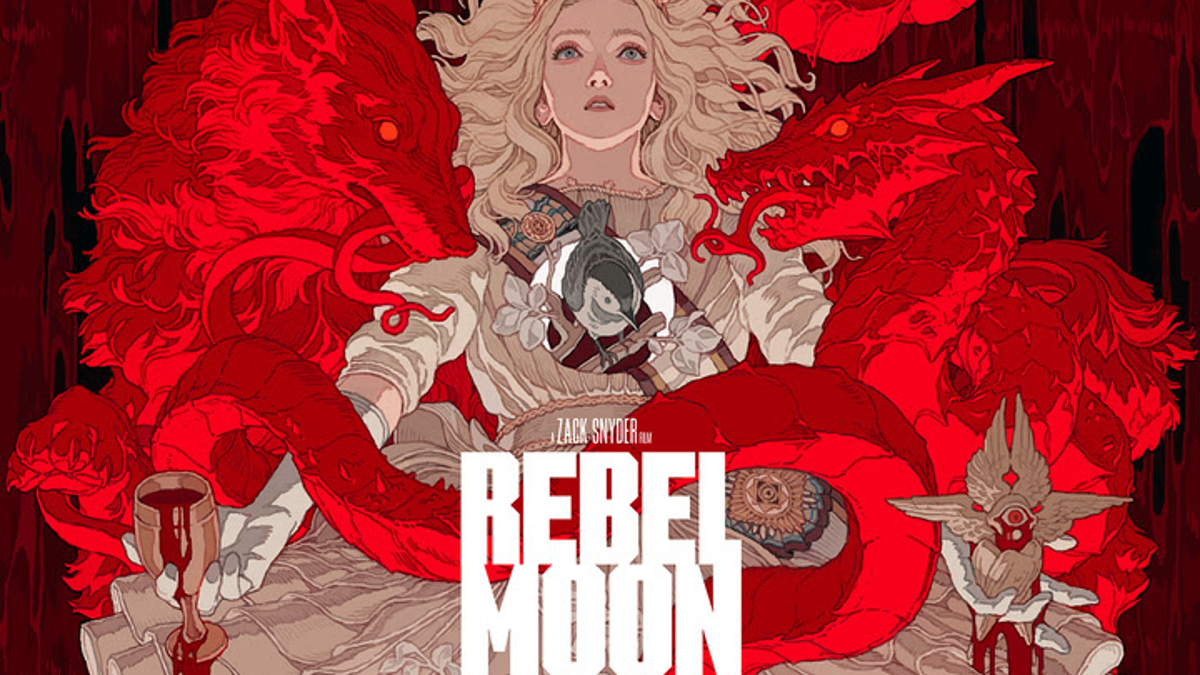
Zack Snyder’s highly anticipated Director’s Cut of his sci-fi epic Rebel Moon has finally arrived on Netflix, and it’s a game-changer for fans of the franchise. After the mixed reception to the initial theatrical releases, Snyder has been given the opportunity to fully realize his vision for this sprawling intergalactic tale, and the results are nothing short of impressive.
In this in-depth review, we’ll dive into the key differences between the original Rebel Moon movies and Snyder’s Director’s Cut, exploring how the new versions elevate the storytelling, character development, and overall cinematic experience. From the gritty, blood-soaked action sequences to the deeper exploration of the film’s rich mythology, this is a must-watch for any sci-fi enthusiast.
A Troubled Theatrical Release
When the first two Rebel Moon movies hit theaters, they were met with a lukewarm response from both critics and audiences. Many felt that the films lacked the depth and cohesion that Snyder’s fans had come to expect from his work. The pacing was often criticized as sluggish, and the character development was seen as underdeveloped, leaving viewers struggling to connect with the protagonists.
However, as Austin Burke, a Rotten Tomatoes Verified and CCA Accepted film critic, points out in his review, the Director’s Cut versions of Rebel Moon offer a vastly improved experience. « These versions are still better in totality, » he says, « I’m choosing to look at this as one movie so a weaker second half than a first half but ultimate payoff and culmination that I guess warrants a lot of that buildup and these are things I could not say about the original versions of Rebel Moon. »
Diving into the Director’s Cut
The Director’s Cut of Rebel Moon is divided into two chapters: Chalice of Blood and Curse of Forgiveness. These extended versions of the films provide a more comprehensive and cohesive narrative, addressing many of the issues that plagued the initial theatrical releases.
Chapter One: Chalice of Blood
The first chapter, Chalice of Blood, opens with a brand-new prologue that sets the stage for the events to come. As Burke notes, « we get a prologue of sorts that just wasn’t in the original cut like 15 minutes of brand new footage where this cute little creature comes out well you start to figure out okay this isn’t our rated cut of this movie we’re back baby. »
This extended introduction not only establishes the tone and stakes of the story but also introduces us to the film’s central character, Kora, played by the talented Sofia Boutella. Kora is a mysterious stranger living among the villagers of a peaceful settlement on a remote moon, and she becomes their best hope for survival when the tyrannical Regent Balisarius threatens their way of life.
One of the standout aspects of this Director’s Cut is the enhanced character development, particularly for the villainous Grine, played by Ed Skrein. As Burke observes, « Grine who was one of my favorite parts of the first versions of these films is absolutely more fleshed out in these versions but more menacing there’s something about being able to see him more aggressively do the things that he did in the first film. »
The increased focus on Grine’s backstory and motivations helps to elevate him from a one-dimensional antagonist to a more complex and compelling character, adding depth to the overall narrative.
Chapter Two: Curse of Forgiveness
In the second chapter, Curse of Forgiveness, Snyder continues to expand upon the world of Rebel Moon, delving deeper into the mythology and character arcs. As Burke notes, « while we do get a lot of flashbacks a lot of Back stories a lot of building of these characters as we are preparing for this hourlong series of battles at the end of this second movie I was able to chew on those moments just a bit more and care more at the end. »
One of the standout additions in this chapter is the expanded role of the character Jimmy, voiced by the legendary Anthony Hopkins. Burke praises this development, stating, « his motivation is felt a lot more and I was actually a big fan of the way that character was handled so much more in this version than the previous version. »
The Director’s Cut also introduces a host of new and intriguing characters, including a powerful interdimensional being that is powering the villain’s ships. These additions help to flesh out the world of Rebel Moon and provide a more immersive and engaging experience for the audience.
Improved Pacing and Action Sequences
One of the key criticisms of the original Rebel Moon movies was the pacing, with many viewers feeling that the films dragged at times. Snyder’s Director’s Cut addresses this issue by streamlining the narrative and focusing more on the key moments and character arcs.
As Burke notes, « the way that everything is edited together makes a lot more sense and I was actually kind of rooting for our team that’s being assembled and our heroes individ especially Sophia Bella’s character who is so much more compelling in this version. »
The action sequences have also been significantly improved in the Director’s Cut, with Snyder dialing back on the excessive use of slow motion that was a hallmark of the original films. As Burke observes, « the action sequences they take away some of the slow-mo as well and that’s another big issue I have with the first versions of these say they solely relied on slow motion in moments and that’s a cool stylistic decision when you use it sparingly but Zack Snider doesn’t use it sparing but in these versions while still used it’s used a bit more sparingly and so I was really impressed with the action this time around. »
The result is a more visceral and impactful action experience, with the increased use of practical effects and gritty, blood-soaked violence helping to immerse the audience in the high-stakes battles unfolding on screen.
Embracing the Genre Influences
One of the key strengths of Snyder’s Director’s Cut of Rebel Moon is its embrace of the film’s genre influences, which include elements of classic science fiction, westerns, and samurai epics.
As Burke notes, « I understand the references but it just felt like a big generic version Parts one and two a generic version of Star Wars a poorly written mag magnificent 7 or Seven Samurai however you want to put it right well this version of part two feels more like what he was trying to achieve was present. »
In the Director’s Cut, Snyder leans into these influences, creating a more cohesive and compelling blend of genres that feels true to his unique vision. The result is a film that feels both familiar and fresh, drawing inspiration from the classics while still carving out its own distinct identity.
Embracing the Madness
One of the most striking aspects of Snyder’s Director’s Cut of Rebel Moon is its embrace of the more surreal and dreamlike elements of the story. As Burke notes, « this feels like you’re watching a fever dream of sorts you’re getting all of the same information but it feels a little more streamlined in a weird sense a little more indepth and it’s trying to say something differently than what the first two Rebel moons were saying. »
This shift in tone and approach helps to set the Director’s Cut apart from the more straightforward storytelling of the original films, offering a more immersive and visceral experience for the audience. The increased use of blood, gore, and even some explicit sexual content (which Burke notes « didn’t do much for me ») further contributes to the film’s gritty, uncompromising vision.
The Future of Rebel Moon
With the release of the Director’s Cut, the future of the Rebel Moon franchise is uncertain. While the new versions of the films have been met with a more positive response from fans and critics, the initial theatrical releases struggled to find an audience, with the Director’s Cut versions reportedly only reaching around 3 million views compared to the original’s 26 million.
As Burke points out, this is a frustrating situation, as « these versions deserve 26 million views as opposed to what got 26 million views. » He goes on to say, « I will say now whatever version we get of part three I will be watching part three whereas before I was thinking about tapping out there is no denying that these are Snider’s cuts of the movie whether it be a manufactured SNY cut meaning didn’t need to be a SN cut in the first place just released the good versions of the movies I just I will never understand the decision behind why they did what they did and it’s costing these versions views that frankly I believe they deserve. »
Despite the challenges, Snyder’s commitment to his vision for Rebel Moon is undeniable, and the Director’s Cut versions of the films offer a tantalizing glimpse of what the franchise could become with the proper support and resources. Fans of Snyder’s work, as well as those who appreciate bold and ambitious sci-fi storytelling, would be well-advised to check out these new versions of Rebel Moon and see for themselves the full extent of Snyder’s cinematic vision.
Conclusion
Zack Snyder’s Director’s Cut of Rebel Moon is a triumph, a bold and ambitious sci-fi epic that elevates the franchise to new heights. By delving deeper into the characters, mythology, and action sequences, Snyder has crafted a more cohesive and compelling narrative that will captivate fans and newcomers alike.
Whether you’re a die-hard Snyder devotee or simply a lover of grand, sweeping science fiction, the Director’s Cut of Rebel Moon is a must-watch. With its stunning visuals, gritty action, and rich world-building, this is a cinematic experience that demands to be seen on the biggest screen possible.
So, what are you waiting for? Dive into the madness and mayhem of Zack Snyder’s Rebel Moon Director’s Cut, and prepare to be transported to a galaxy far, far away.
Key Takeaways
Zack Snyder’s Director’s Cut of Rebel Moon offers a vastly improved and more cohesive narrative compared to the original theatrical releases.
The extended versions, Chalice of Blood and Curse of Forgiveness, feature enhanced character development, particularly for the villainous Grine, and the introduction of new and intriguing characters.
The pacing and action sequences have been significantly improved, with Snyder dialing back on the excessive use of slow motion and delivering more visceral and impactful battle scenes.
The Director’s Cut embraces the film’s genre influences, creating a more compelling blend of science fiction, westerns, and samurai epics.
The surreal and dreamlike elements of the story help to set the Director’s Cut apart, offering a more immersive and visceral experience for the audience.
Despite the improved quality of the Director’s Cut, the initial theatrical releases struggled to find an audience, which has led to concerns about the future of the Rebel Moon franchise.
For more of Austin Burke’s insights and reviews, be sure to check out his Rotten Tomatoes profile, and follow us on Twitter, Instagram and YouTube for more in-depth discussions on the latest films and TV shows.