Manga, Manhwa and Manhua: What They Mean and How to Tell the Difference
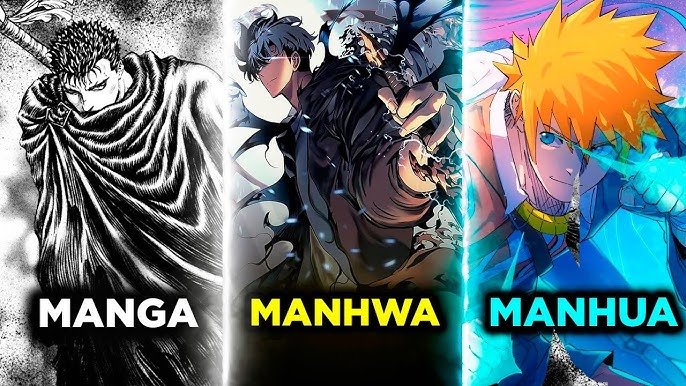
Manga, manhwa, manhua are three closely related comic traditions from Japan, South Korea, and China. They are often grouped together because they can look similar at first glance, especially to newer readers. But they are not interchangeable terms.
If you have ever wondered why one series reads right to left, why another is in full color, or why names and settings feel culturally different, the answer usually comes down to origin, format, and publishing style.
This guide explains manga, manhwa, manhua in plain English, including what each term means, how they differ, and the easiest ways to identify them.
Quick answer: the main difference between manga, manhwa, and manhua
The fastest way to understand manga, manhwa, manhua is this:
- Manga = comics from Japan
- Manhwa = comics from South Korea
- Manhua = comics from China
Beyond country of origin, there are some common patterns:
- Manga is usually black and white and often reads right to left.
- Manhwa is often full color, usually published digitally, and typically reads left to right.
- Manhua is also often full color, commonly digital, and generally reads left to right.
These are strong rules of thumb, not perfect rules for every single title.
What is manga?
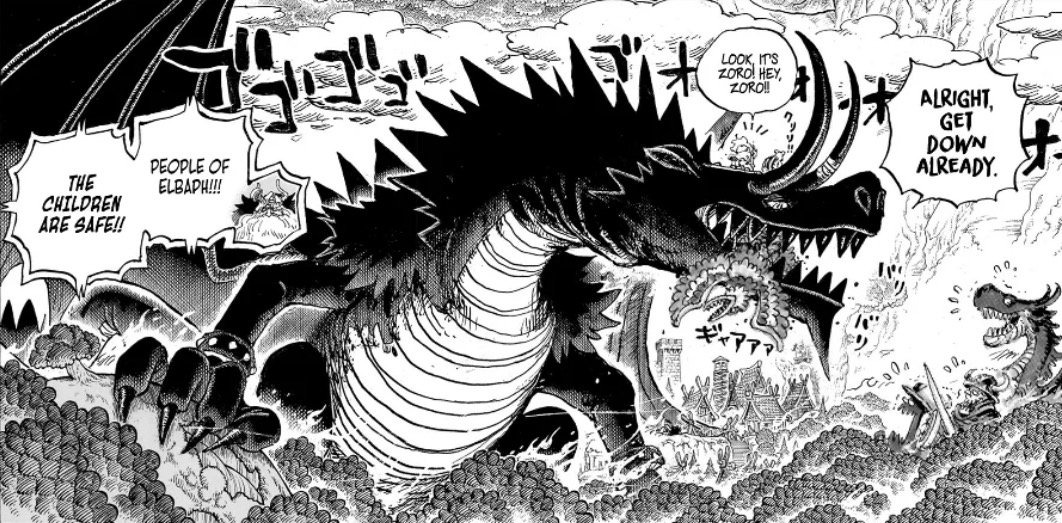
Manga refers to comics produced in Japan. For many readers outside Japan, manga is the best-known category of the three.
Manga is commonly associated with a few recognizable traits:
- Japanese origin
- Black-and-white pages
- Right-to-left reading order
The black-and-white format became part of manga’s identity for practical reasons such as cost and production speed, and it remains one of the easiest ways to recognize it today.
Manga grew rapidly in the postwar period in Japan, helped by a broader creative boom and a rising readership. Over time, it developed major audience categories such as:
- Shonen for boys
- Shojo for girls
As internet access expanded globally, manga became far more accessible outside Japan. By the 2010s, it had become mainstream in many markets and gained enormous international influence.
How to identify manga
If I want to quickly tell whether something is manga, I look for these three signs:
- It was produced in Japan.
- It is mostly black and white.
- It reads right to left.
If all three are present, there is a good chance I am looking at manga.
What is manhwa?
Manhwa refers to comics from South Korea. While manhwa shares some similarities with manga, modern manhwa has developed a very different publishing style and reading experience.
Today, manhwa is strongly associated with digital platforms. Many titles are released online rather than through traditional print-first formats. Because of that, modern manhwa is often:
- Published in color
- Designed for digital reading
- Read left to right
Manhwa has roots influenced by both Japanese manga and Western comics, but it has its own cultural style and storytelling patterns. It became especially accessible with the rise of smartphones, web publishing, and online comic platforms in the early 2000s.
That digital-first model gave manhwa a major advantage. It became easy to share, easy to read, and often cheaper to produce than traditional print-heavy formats.
How to identify manhwa
These are the most useful clues:
- It was produced in South Korea.
- It is usually in color.
- It reads left to right.
Names can also help. Korean names usually look and sound different from Japanese names, so character and place names are often an immediate clue.
What is manhua?
Manhua refers to comics from China. Of the three, manhua often has the most in common with modern manhwa in terms of format. Many manhua titles are full color, distributed online, and designed for left-to-right reading.
Common traits of manhua include:
- Chinese origin
- Color presentation
- Frequent digital publishing
- Left-to-right reading in many modern titles
Manhua also has some recurring themes and genre traditions that stand out. Two notable examples are:
- Cultivation, which centers on self-improvement, spiritual development, artifacts, elixirs, and progress toward enlightenment.
- Wuxia, which focuses on martial artists with extraordinary skill or supernatural-like ability.
Manhua has not achieved the same level of worldwide popularity as manga, and one challenge mentioned in discussions of the industry is stricter censorship and regulation affecting creators and works in China.
How to identify manhua
I would usually check for these signs:
- It was produced in China.
- It is commonly in color.
- It generally reads left to right.
As with manhwa, names and settings can offer a quick hint. Chinese names, locations, and cultural references often stand apart from Japanese or Korean works.
Manga vs manhwa vs manhua: side-by-side comparison
| Category | Manga | Manhwa | Manhua |
|---|---|---|---|
| Country of origin | Japan | South Korea | China |
| Typical format | Usually black and white | Usually full color | Usually full color |
| Reading direction | Usually right to left | Usually left to right | Usually left to right |
| Publishing style | Strong print tradition | Strong digital tradition | Strong digital tradition |
| Easy clue | Japanese names and black-and-white pages | Korean names and color scrolling format | Chinese names and common cultivation or wuxia elements |
Why manga is usually black and white, while manhwa and manhua are often in color
One of the biggest visual differences in manga, manhwa, manhua is color.
Manga is traditionally printed in black and white, a choice tied to production costs, speed, and long-established industry norms. Even now, black-and-white artwork remains part of manga’s identity.
Modern manhwa and manhua, by contrast, are heavily shaped by online distribution. Digital publishing makes color more practical and more attractive, especially on phones and web platforms.
So if I open a comic and see a long, colorful digital format, it is more likely to be manhwa or manhua than manga.
Why reading direction is different
Reading direction is another major clue when comparing manga, manhwa, manhua.
- Manga commonly reads right to left.
- Manhwa usually reads left to right.
- Manhua also usually reads left to right.
For many beginners, this is the first difference they notice. If a series feels natural to read in the same direction as English text, it may be manhwa or manhua. If panels and pages are clearly structured in the opposite direction, it is often manga.
Does origin matter more than style?
Yes. The most important difference between manga, manhwa, manhua is where the comic comes from.
Style helps, but origin is the core definition.
For example:
- A black-and-white comic with Japanese storytelling influences is not automatically manga unless it is from Japan.
- A full-color digital comic is not automatically manhwa unless it is from South Korea.
- A cultivation-themed comic is not automatically manhua unless it is from China.
This matters because readers often use these words as style labels when they are really origin labels first.
Common misconceptions about manga, manhwa, and manhua
1. “They all mean the same thing”
No. They refer to different comic traditions tied to different countries and languages.
2. “If it reads left to right, it cannot be Asian comics”
Not true. Manhwa and manhua are commonly read left to right.
3. “All manga is black and white, no exceptions”
Black and white is the standard pattern, but the better definition is still origin. Japan is the key factor.
4. “Color means it is manhwa”
Not necessarily. Manhua is also often in color.
5. “Manhwa and manhua are just copies of manga”
They may share some influences, but each has its own publishing systems, cultural background, themes, and reader expectations.
An easy checklist for beginners
If I want to identify a title quickly, I use this simple checklist:
- Step 1: Check the country of origin. Japan, South Korea, or China?
- Step 2: Look at the page format. Black and white or full color?
- Step 3: Check reading direction. Right to left or left to right?
- Step 4: Notice names and cultural cues. Japanese, Korean, or Chinese names?
- Step 5: Consider where it is published. Traditional print or digital-first platform?
Usually, those five checks are enough to sort out manga, manhwa, manhua without much confusion.
Why these categories matter to readers
Understanding manga, manhwa, manhua helps in a few practical ways:
- It sets expectations for reading direction and format.
- It helps with recommendations if someone prefers black-and-white print or colorful digital series.
- It makes genre discovery easier, especially when exploring themes more common in one tradition than another.
- It improves search results when looking for new series, platforms, or reading guides.
For beginners, these terms can feel confusing because they sound similar. Once country, color, and reading direction click into place, the differences become much easier to remember.
FAQ about manga, manhwa, manhua
Which is most popular worldwide?
Manga has the strongest global recognition and the broadest mainstream presence.
Which is most commonly digital?
Manhwa and manhua are more strongly associated with digital publishing.
Which one usually reads right to left?
Manga.
Which ones are usually in color?
Modern manhwa and manhua are usually in color.
Are manhwa and manhua the same thing?
No. Manhwa is from South Korea. Manhua is from China.
Is the difference only pronunciation?
No. The terms sound similar in English, but they refer to different national comic traditions.
Final takeaway
Manga, manhwa, manhua are easiest to understand when I focus on three things: origin, format, and reading direction.
- Manga comes from Japan, is usually black and white, and often reads right to left.
- Manhwa comes from South Korea, is usually full color, and usually reads left to right.
- Manhua comes from China, is also often full color, and generally reads left to right.
If I remember those basics, it becomes much easier to tell them apart and explore each one on its own terms.






Laisser un commentaire